Macromolecular Drugs
YL-B11
Technology Highlights
Nanobody with high stability and excellent tissue penetration, effectively inducing anti-tumor immunity.
Mechanism of Action
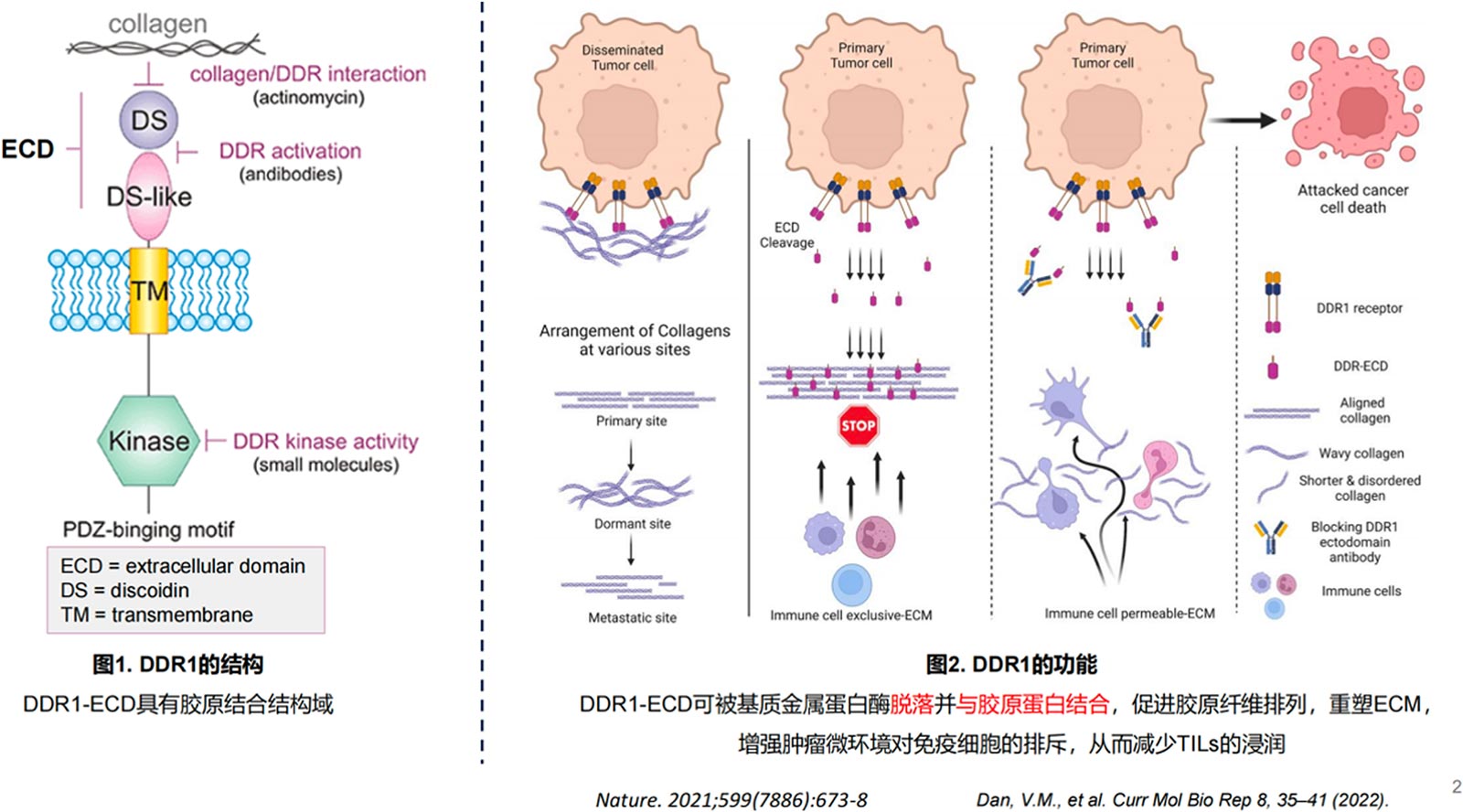
Discoidin domain receptor 1 (DDR1) plays a critical role in the progression and metastasis of various solid tumors. Its extracellular domain can be shed by matrix metalloproteinases and bind to collagen, promoting collagen fiber alignment, remodeling the extracellular matrix (ECM), enhancing tumor microenvironment resistance to immune cells, and reducing the number of tumor-infiltrating lymphocytes (TILs).
YL-B11 is a nanobody developed through llama immunization targeting the DDR1 extracellular domain. By inhibiting collagen fiber alignment and promoting intratumoral immune effector cell infiltration, it exerts potent tumor immunotherapeutic effects.
DDR1-Targeted Tumor Immunotherapy
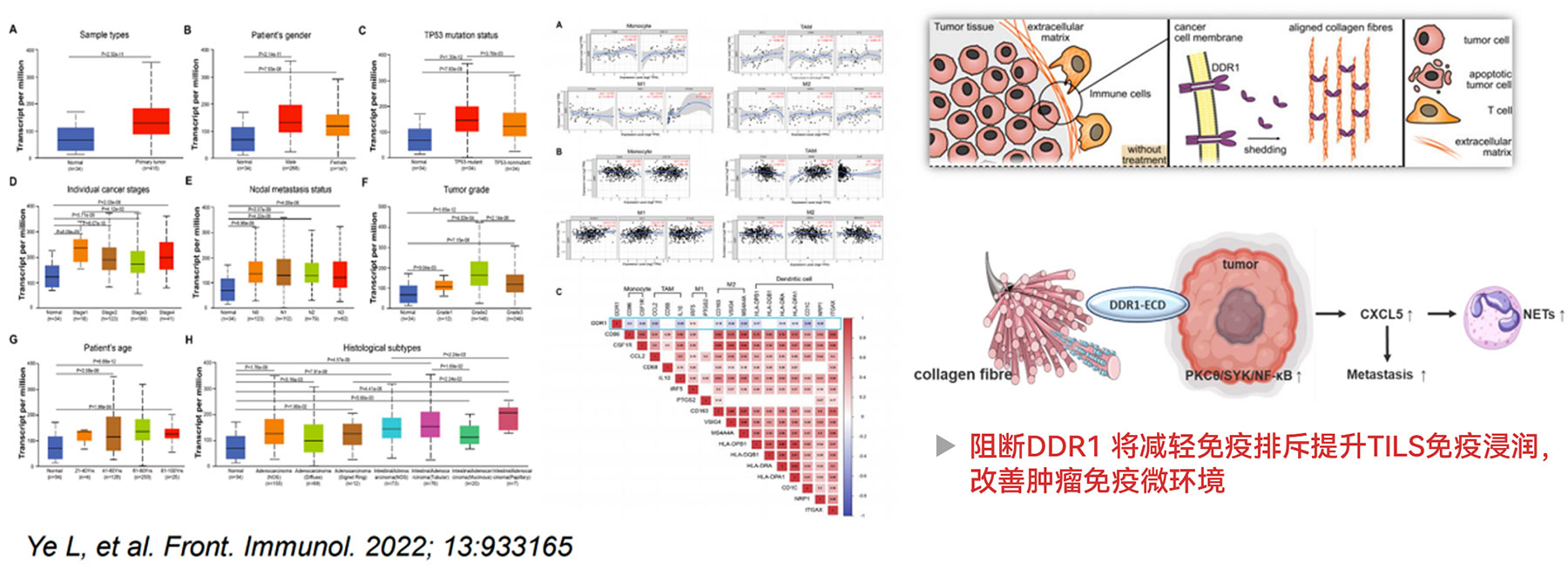
 High DDR1 expression in tumors leads to poor prognosis
 High DDR1 expression inhibits anti-tumor immune infiltration
Selected Indications Under Investigation

Solid Tumors

Triple-Negative Breast Cancer

Gastric Cancer

NSCLC

Pulmonary Fibrosis

Hepatic Fibrosis

Atherosclerosis
Current Treatment Landscape for Pancreatic Cancer

Chemotherapy
Standard chemotherapy agent gemcitabine shows limited efficacy; combination chemotherapy regimens are preferred

Targeted Therapy
Limited application of targeted therapies, as pancreatic cancer typically lacks specific mutations, resulting in poor targeting efficacy. PARP inhibitors show promise in BRCA-mutated pancreatic cancer

Immunotherapy
Pancreatic cancer demonstrates limited response to immune checkpoint inhibitors, likely due to the immunosuppressive characteristics of its tumor microenvironment

Other Macromolecular Drugs
Monoclonal antibodies: No widely approved drugs available
CAR-T cell therapy: Faces significant challenges in solid tumor applications

Novel DDR1nb Advantages

Targeting Tumor Microenvironment
DDR1 participates in stromal remodeling and cell-cell interactions. Novel anti-tumor DDR1 antibodies can specifically target tumor-associated stroma, inhibiting tumor progression.

Inhibiting Tumor Growth and Metastasis
Potential to reduce tumor cell proliferation and metastasis by inhibiting DDR1 downstream signaling pathways, thereby combating pancreatic cancer invasiveness.

Combination Therapy Potential
Promotes immune infiltration by disrupting collagen barriers; when combined with chemotherapy or immunotherapy, can enhance the efficacy of other therapeutic modalities.

Enhanced Specificity with Reduced Side Effects
Disrupts tumor barriers without direct cytotoxicity, improving therapeutic specificity and reducing adverse effects.
Intellectual Property
Intellectual Property
 1
1